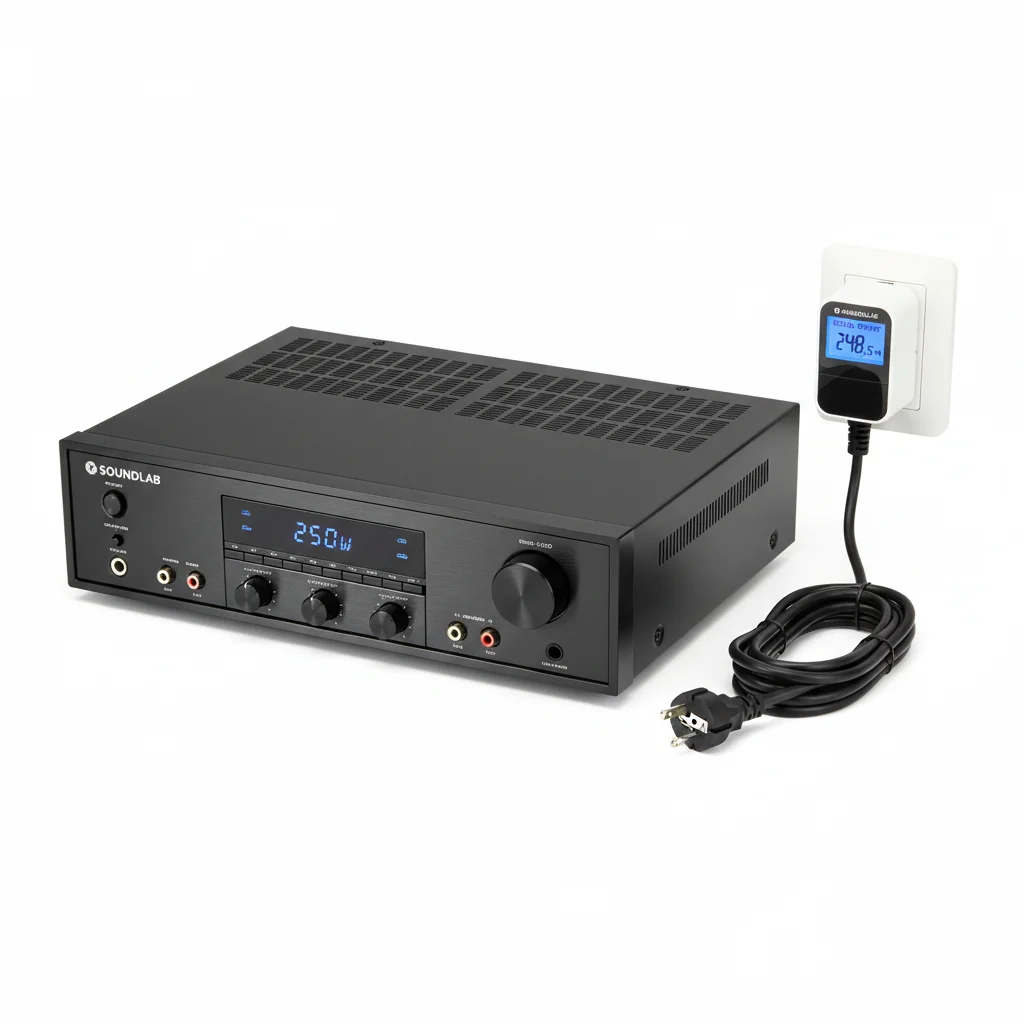
Understanding AV receiver power consumption is crucial for managing your home’s energy use and ensuring optimal performance. On average, an AV receiver uses between 100 to 500 watts when actively playing audio and video, with standby power consumption typically falling below 1 watt. This range can vary significantly based on the model, the number of channels being driven, and the volume level. High-end receivers with more channels and powerful amplifiers will naturally draw more power than entry-level models.
Factors Influencing AV Receiver Power Draw
Several key factors dictate how much power your AV receiver consumes. The most significant is the number of channels you are actively using. A 7.2 channel receiver driving all seven speakers and two subwoofers at high volume will demand considerably more power than the same receiver playing stereo audio at a moderate level. The efficiency of the amplifier class (e.g., Class A/B vs. Class D) also plays a role, with Class D amplifiers generally being more energy-efficient. Features like network connectivity, video processing, and multi-zone audio can add to the overall power draw, even if subtly.
Measuring and Reducing Power Consumption
To get a precise measurement of your AV receiver’s power consumption, you can use a kill-a-watt meter, which plugs into your wall outlet and then your receiver plugs into it. This device will show you real-time wattage usage. If you’re looking to reduce power consumption, consider these tips:
- Utilize eco-modes or power-saving settings if your receiver offers them.
- Turn off unused features like network standby or HDMI passthrough when not needed.
- Ensure proper ventilation to prevent overheating, which can sometimes lead to less efficient operation.
- Consider upgrading to a newer, more energy-efficient model if your current receiver is very old.
- Power down the receiver completely when not in use, rather than leaving it in standby for extended periods.
While standby power is usually minimal, over time it can add up. Many modern receivers have advanced standby modes that consume less than 0.5 watts, but older models might draw more.
Impact on Electricity Bills and System Performance
|
Our Picks for the Best AV Receiver in 2026
As an Amazon Associate I earn from qualifying purchases.
|
||
| Num | Product | Action |
|---|---|---|
| 1 | Sony STRDH590 5.2 Channel Surround Sound Home Theater Receiver: 4K HDR AV Receiver with Bluetooth,Black |

|
| 2 | Denon AVR-X1700H 7.2 Channel AV Receiver - 80W/Channel, Advanced 8K HDMI Video w/eARC, Dolby Atmos, DTS:X, Built-in HEOS, Amazon Alexa Voice Control |
|
| 3 | YAMAHA RX-V385 5.1-Channel 4K Ultra HD AV Receiver with Bluetooth |
|
| 4 | Sony STRDH190 2-ch Home Stereo Receiver with Phono Inputs & Bluetooth Black |
|
| 5 | Denon AVR-X1800H 7.2 Channel AV Stereo Receiver - 80W/Channel, Wireless Streaming via Built-in HEOS, WiFi, & Bluetooth, Supports Dolby Vision, HDR10+, Dynamic HDR, & Home Automation Systems |
|
| 6 | Onkyo TX-RZ30 9.2-Channel AV Receiver - 100 Watts Per Channel, Dirac Live Out of Box, Works with Sonos Certified, THX Certified and More |
|
| 7 | Denon AVR-S570BT AV Receiver 5.2 Channel 8K Ultra HD Audio & Video, Stereo Receivers, Denon AVR Wireless Streaming Bluetooth, (4) 8K HDMI Inputs, eARC, HD Setup Assistant |
|
| 8 | Pyle 5.2 Channel Hi-Fi Home Theater Receiver - 1000W MAX Wireless BT Surround Sound Stereo Amplifier System with 4k Ultra HD Support, MP3/USB/DAC, Ideal for Immersive Home Audio Experience |
|
| 9 | Sony STR-AN1000 7.2 CH Surround Sound Home Theater 8K A/V Receiver: Dolby Atmos, DTS:X, Digital Cinema Auto Calibration IX, Bluetooth, WiFi, Google Chromecast, Spotify connect, Apple AirPlay, HDMI 2.1 |
|
| 10 | Sony STRDH590 5.2 Multi-Channel 4k HDR AV Receiver with Bluetooth (Renewed) Bundle with 3 YR CPS Enhanced Protection Pack |
|
The power consumption of your AV receiver directly impacts your electricity bill. While a single receiver might not drastically increase your bill, when combined with other home theater components like large TVs, subwoofers, and media players, the cumulative effect can be noticeable. For example, a receiver drawing 300 watts for 4 hours a day will consume approximately 36 kWh per month. At an average electricity cost of $0.15 per kWh, this amounts to about $5.40 per month, or $64.80 annually. This cost can fluctuate based on your local electricity rates and usage habits.
Beyond cost, efficient power delivery is vital for system performance. An underpowered receiver can lead to clipping and distortion, especially at higher volumes, potentially damaging your speakers. Conversely, a receiver with ample power reserves can deliver clean, dynamic sound even during demanding audio passages. Always match your receiver’s power output to your speakers’ impedance and sensitivity for the best results.
Understanding Amplifier Classes and Efficiency
Different amplifier classes have varying levels of efficiency, which directly impacts power consumption. Class A amplifiers, while offering exceptional sound quality, are highly inefficient, converting a large portion of power into heat. Class A/B amplifiers, common in many AV receivers, offer a good balance of efficiency and sound quality, typically operating at 50-60% efficiency. Class D amplifiers are the most efficient, often exceeding 90% efficiency, meaning less power is wasted as heat and more is delivered to the speakers. This higher efficiency often translates to lower power consumption for the same output power, making them a popular choice for modern, compact, and powerful receivers.When comparing models, looking at the amplifier class can give you an indication of its potential energy footprint.
Choosing an Energy-Efficient AV Receiver
When purchasing a new AV receiver, consider its energy efficiency alongside its features and performance. Look for models with Energy Star certification, which indicates they meet specific energy efficiency guidelines. Pay attention to the rated power consumption in both active and standby modes, often found in the product specifications. While a powerful receiver might draw more watts, a well-designed, efficient model can deliver excellent performance without excessive energy waste.Prioritizing efficiency not only saves money on electricity but also contributes to a more environmentally friendly home entertainment setup.
