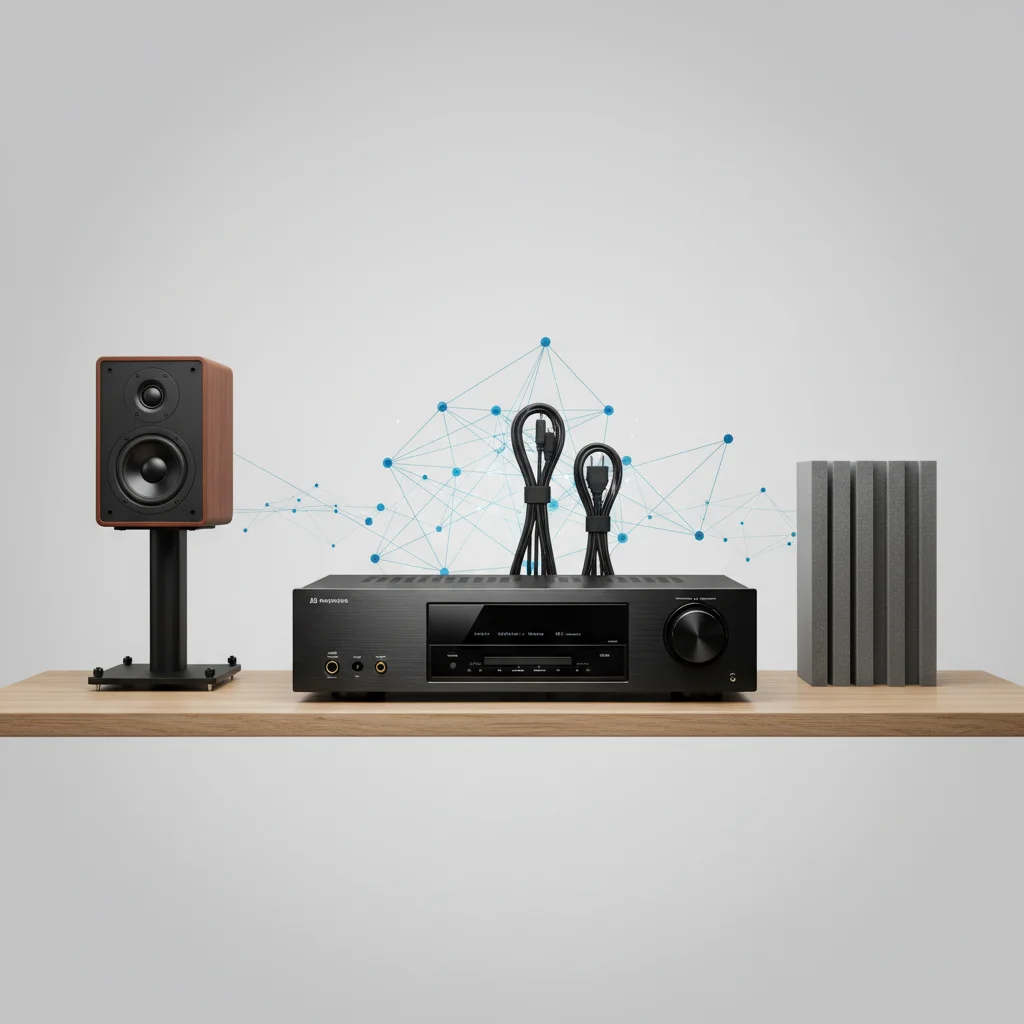
Optimal AV receiver placement is crucial for both performance and longevity, and generally, you should aim for a location that provides at least 6 inches of clearance on all sides for proper ventilation. This ensures the unit can dissipate heat effectively, preventing overheating and potential damage to internal components. Beyond ventilation, consider accessibility for wiring and remote control line-of-sight.
Understanding Ventilation Requirements for Your AV Receiver
Proper airflow is paramount for any AV receiver. These devices generate a significant amount of heat during operation, especially when driving multiple speakers at higher volumes. Without adequate ventilation, heat can build up, leading to thermal throttling, reduced performance, and ultimately, a shortened lifespan for your receiver. Avoid enclosing the receiver in tight cabinets without open backs or active cooling solutions. A good rule of thumb is to ensure there’s at least 6 inches of open space above and behind the unit, and a few inches on the sides.
Ideal Locations for Your AV Receiver
When selecting a spot for your AV receiver, prioritize a stable, level surface that can support its weight. Common ideal locations include open shelves in an entertainment center, a dedicated AV rack, or a sturdy credenza. Ensure the location is free from direct sunlight, which can also contribute to heat buildup, and away from sources of vibration. Consider the proximity to your speakers and display for easier cable management.
- Open-air shelving unit with ample space.
- Dedicated AV rack with proper ventilation.
- Sturdy, open-back entertainment console.
- Away from direct heat sources like radiators or vents.
- Accessible for future wiring adjustments.
Avoiding Common Placement Mistakes
|
Our Picks for the Best AV Receiver in 2026
As an Amazon Associate I earn from qualifying purchases.
|
||
| Num | Product | Action |
|---|---|---|
| 1 | Denon AVR-X1700H 7.2 Channel AV Receiver - 80W/Channel, Advanced 8K HDMI Video w/eARC, Dolby Atmos, DTS:X, Built-in HEOS, Amazon Alexa Voice Control |

|
| 2 | Denon AVR-S570BT AV Receiver 5.2 Channel 8K Ultra HD Audio & Video, Stereo Receivers, Denon AVR Wireless Streaming Bluetooth, (4) 8K HDMI Inputs, eARC, HD Setup Assistant |
|
| 3 | Sony STRDH590 5.2 Channel Surround Sound Home Theater Receiver: 4K HDR AV Receiver with Bluetooth,Black |
|
| 4 | Pyle 5.2 Channel Hi-Fi Home Theater Receiver - 1000W MAX Wireless BT Surround Sound Stereo Amplifier System with 4k Ultra HD Support, MP3/USB/DAC, Ideal for Immersive Home Audio Experience |
|
| 5 | Sony STRDH590 5.2 Multi-Channel 4k HDR AV Receiver with Bluetooth (Renewed) Bundle with 3 YR CPS Enhanced Protection Pack |
|
| 6 | Sony STRDH190 2-ch Home Stereo Receiver with Phono Inputs & Bluetooth Black |
|
| 7 | Denon AVR-X1800H 7.2 Channel AV Stereo Receiver - 80W/Channel, Wireless Streaming via Built-in HEOS, WiFi, & Bluetooth, Supports Dolby Vision, HDR10+, Dynamic HDR, & Home Automation Systems |
|
| 8 | Sony STR-AN1000 7.2 CH Surround Sound Home Theater 8K A/V Receiver: Dolby Atmos, DTS:X, Digital Cinema Auto Calibration IX, Bluetooth, WiFi, Google Chromecast, Spotify connect, Apple AirPlay, HDMI 2.1 |
|
| 9 | YAMAHA RX-V385 5.1-Channel 4K Ultra HD AV Receiver with Bluetooth |
|
| 10 | Onkyo TX-RZ30 9.2-Channel AV Receiver - 100 Watts Per Channel, Dirac Live Out of Box, Works with Sonos Certified, THX Certified and More |
|
Many common placement errors can negatively impact your AV receiver’s performance and lifespan. One of the most frequent mistakes is placing the receiver in a closed cabinet without sufficient ventilation. Another is stacking other components directly on top of the receiver, blocking its top vents. Also, avoid placing it directly on carpet, which can obstruct bottom vents and trap heat. Keep the receiver away from strong magnetic fields, which can interfere with its sensitive electronics.
Optimizing Cable Management and Accessibility
Effective cable management goes hand-in-hand with good AV receiver placement. Plan your cable runs to be neat and organized, avoiding tangled messes that can impede airflow and make troubleshooting difficult. Use cable ties or sleeves to bundle wires together. Ensure that all ports are easily accessible for future connections or disconnections. This foresight will save you considerable time and frustration down the line.
Considering Room Acoustics and Aesthetics
While ventilation and accessibility are primary concerns, also consider how the receiver’s placement might affect room acoustics and overall aesthetics. Ideally, the receiver should be positioned centrally within your home theater setup to minimize cable lengths to various speakers. From an aesthetic standpoint, try to integrate it seamlessly into your decor. Some users prefer to hide the receiver, but if you do, ensure the chosen enclosure still meets all ventilation requirements.
