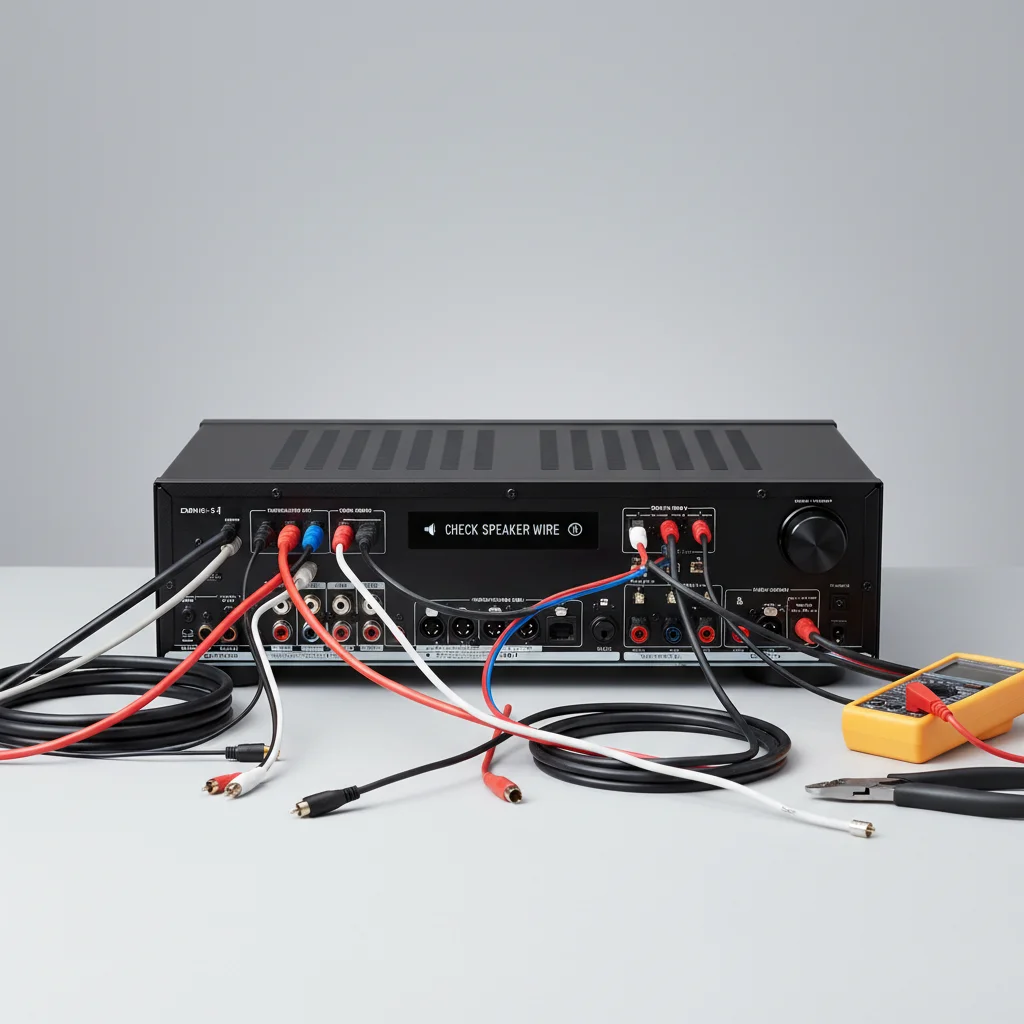
AV receiver audio dropouts can be incredibly frustrating, interrupting your movie or music experience. The good news is that most intermittent sound issues can be resolved with a few straightforward troubleshooting steps. Typically, these problems stem from loose connections, interference, or incorrect settings, and you can often fix them yourself in under 30 minutes.
Check All Cable Connections
The most common cause of audio dropouts is a loose or faulty cable. Begin by powering down your AV receiver and all connected devices. Carefully inspect every HDMI, optical, coaxial, and speaker cable. Ensure each cable is securely plugged into both the receiver and the source device (e.g., Blu-ray player, streaming box, TV). If any cable appears damaged, replace it. Pay particular attention to speaker wire connections, ensuring no stray strands are touching, which can cause short circuits. For complete diy home library on this site.
Identify and Eliminate Interference Sources
Electronic interference can disrupt audio signals, leading to dropouts. Common culprits include Wi-Fi routers, cordless phones, microwaves, and even other power cables. Try to move your AV receiver and audio cables away from these potential sources of interference. If possible, use shielded cables, especially for longer runs, to minimize susceptibility to electromagnetic interference (EMI). Sometimes, simply rearranging your setup can make a significant difference.
Verify Audio Settings on Source Devices and Receiver
|
Our Picks for the Best AV Receiver in 2026
As an Amazon Associate I earn from qualifying purchases.
|
||
| Num | Product | Action |
|---|---|---|
| 1 | Denon AVR-X1700H 7.2 Channel AV Receiver - 80W/Channel, Advanced 8K HDMI Video w/eARC, Dolby Atmos, DTS:X, Built-in HEOS, Amazon Alexa Voice Control |

|
| 2 | Sony STRDH590 5.2 Channel Surround Sound Home Theater Receiver: 4K HDR AV Receiver with Bluetooth,Black |
|
| 3 | Sony STR-AN1000 7.2 CH Surround Sound Home Theater 8K A/V Receiver: Dolby Atmos, DTS:X, Digital Cinema Auto Calibration IX, Bluetooth, WiFi, Google Chromecast, Spotify connect, Apple AirPlay, HDMI 2.1 |
|
| 4 | Sony STRDH190 2-ch Home Stereo Receiver with Phono Inputs & Bluetooth Black |
|
| 5 | Denon AVR-X1800H 7.2 Channel AV Stereo Receiver - 80W/Channel, Wireless Streaming via Built-in HEOS, WiFi, & Bluetooth, Supports Dolby Vision, HDR10+, Dynamic HDR, & Home Automation Systems |
|
| 6 | Pyle 5.2 Channel Hi-Fi Home Theater Receiver - 1000W MAX Wireless BT Surround Sound Stereo Amplifier System with 4k Ultra HD Support, MP3/USB/DAC, Ideal for Immersive Home Audio Experience |
|
| 7 | YAMAHA RX-V385 5.1-Channel 4K Ultra HD AV Receiver with Bluetooth |
|
| 8 | Sony STRDH590 5.2 Multi-Channel 4k HDR AV Receiver with Bluetooth (Renewed) Bundle with 3 YR CPS Enhanced Protection Pack |
|
| 9 | Onkyo TX-RZ30 9.2-Channel AV Receiver - 100 Watts Per Channel, Dirac Live Out of Box, Works with Sonos Certified, THX Certified and More |
|
| 10 | Denon AVR-S570BT AV Receiver 5.2 Channel 8K Ultra HD Audio & Video, Stereo Receivers, Denon AVR Wireless Streaming Bluetooth, (4) 8K HDMI Inputs, eARC, HD Setup Assistant |
|
Incorrect audio settings can also cause intermittent sound. Check the audio output settings on your source devices (e.g., TV, game console, media player) to ensure they are sending a compatible audio format to your AV receiver. For instance, if your receiver doesn’t support a specific surround sound format, it might struggle to process the signal, leading to dropouts. Similarly, review your AV receiver’s input settings and ensure the correct audio input is selected and that any processing modes are not causing conflicts. Experiment with different audio formats like PCM, Dolby Digital, or DTS.
Update Firmware and Reset Settings
Outdated firmware can sometimes lead to performance issues, including audio dropouts. Check your AV receiver manufacturer’s website for any available firmware updates and follow their instructions carefully. A firmware update can resolve known bugs and improve compatibility. If updating doesn’t help, consider performing a factory reset on your AV receiver. This will revert all settings to their default state, eliminating any potentially problematic custom configurations. Remember to note down your preferred settings before performing a reset.
- Inspect HDMI cables for damage or loose connections.
- Ensure speaker wires are securely connected and free of stray strands.
- Move Wi-Fi routers and other electronics away from the receiver.
- Check audio output settings on all connected source devices.
- Perform a factory reset if other troubleshooting steps fail.
Consider External Factors and Professional Help
If you’ve tried all the above steps and still experience audio dropouts, consider external factors. Is your power outlet stable? Try plugging the receiver into a different outlet or a surge protector. In rare cases, the issue might be with the source device itself or even a faulty component within the AV receiver. If the problem persists, it may be time to consult the receiver’s manual, contact the manufacturer’s support, or consider professional repair.Sometimes, a new, higher-quality cable can resolve subtle signal integrity issues that lead to dropouts.
